
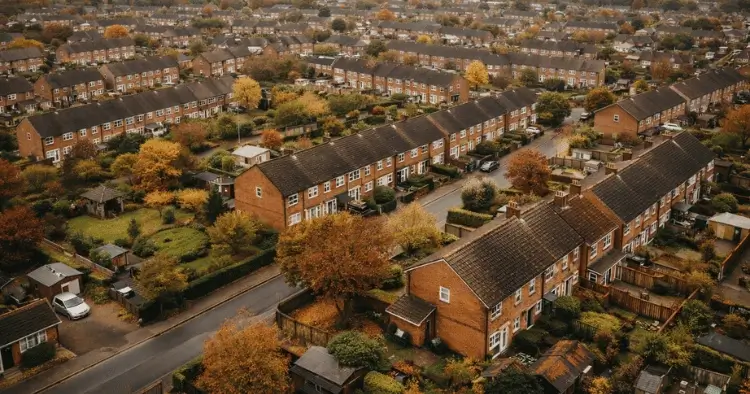
What plumbing problems do 1960s homes in Bracknell have? Properties built during Bracknell’s New Town development (1949-1982) commonly suffer from corroded galvanised steel pipes, lead water supply lines, undersized drainage, deteriorating clay drain pipes, and outdated stop valves. These issues cause low water pressure, discoloured water, slow drains, and increased leak risk: problems that worsen with every passing year.
If you live in a 1960s property in Bracknell, Crowthorne, or the surrounding estates, your plumbing system is now 60+ years old. This guide explains the specific issues affecting these homes and what you can do about them.
Bracknell New Town: A Brief History
Bracknell was designated a New Town in 1949 under the New Towns Act 1946, designed to relieve housing pressure on London after World War II. The Bracknell Development Corporation built thousands of homes between 1951 and 1982, with peak construction occurring in the 1960s.
These properties were built to the standards of their time: adequate for the 1960s, but now showing their age. Common construction features include:
- Galvanised steel water pipes (15-22mm diameter)
- Lead supply pipes from the street to the property
- Cast iron or clay drainage systems
- Copper hot water cylinders with immersion heaters
- Outside toilets (in earlier properties, later converted)
Understanding these original materials helps diagnose why certain problems occur.
The 6 Most Common Plumbing Problems
1. Corroded Galvanised Steel Pipes
Galvanised pipes were the standard choice for internal water supply in 1960s construction. The zinc coating that protects the steel typically lasts 40-50 years, meaning every original pipe in Bracknell’s 1960s homes has exceeded its design life.
| Pipe Age | Typical Condition |
|---|---|
| 0-30 years | Good, minimal corrosion |
| 30-50 years | Moderate internal rust, reduced flow |
| 50-60 years | Significant corrosion, pinhole leak risk |
| 60+ years | Severe deterioration, replacement recommended |
Signs of failing galvanised pipes:
- Brown or orange water when taps first run
- Rusty sediment in toilet cisterns
- Low water pressure that’s worsened over time
- Pinhole leaks appearing in pipe runs
- Metallic taste in drinking water
According to the Chartered Institute of Plumbing and Heating Engineering (CIPHE), galvanised pipes over 50 years old should be assessed for replacement, particularly in hard water areas like Bracknell where limescale accelerates corrosion.
2. Lead Supply Pipes
Many 1960s Bracknell homes still have the original lead pipe connecting the water main in the street to the property’s internal stopcock. Lead was banned for new water supply installations in 1970 under the Water Supply (Water Fittings) Regulations, but existing pipes weren’t required to be replaced.
Lead pipes are identifiable by their:
- Dull grey colour (often with white oxidation)
- Soft texture (you can scratch them with a coin)
- Slight bulge at joints
- Typical location: under the kitchen sink or in the front garden
Many properties built before 1970 still have their original lead supply pipes. While modern water treatment reduces lead dissolution, the Drinking Water Inspectorate recommends replacement, particularly for households with young children or pregnant women.
Homeowners often have no idea their supply pipe is lead until a leak forces investigation. Cut open, an old lead or galvanised supply can show internal buildup taking up a large share of the pipe’s bore, which is why poor flow is frequently the first clue.
3. Undersized Drainage Systems
1960s homes were designed for smaller households using less water. The average household water usage has increased from approximately 100 litres per person per day in the 1960s to 142 litres today, according to Water UK.
Original drainage typically features:
- 32mm waste pipes from basins (modern standard: 40mm)
- Single-stack drainage serving entire properties
- Minimal venting causing gurgling and slow drainage
- Smaller soil pipes (75mm vs modern 110mm)
These undersized systems struggle with modern usage patterns: power showers, washing machines, and dishwashers discharge more water than the original design anticipated.
Common symptoms include:
- Slow draining sinks and baths
- Gurgling sounds when water drains
- Toilet water level fluctuating when other fixtures drain
- Odours from waste pipes
- Frequent minor blockages
4. Deteriorating Clay Drain Pipes
Underground drainage in 1960s Bracknell properties typically uses vitrified clay pipes with cement-mortar joints. After 60+ years, these systems commonly suffer from:
Joint failure: The cement mortar deteriorates, allowing roots to penetrate and soil to enter. Tree roots from the mature gardens now common in these estates are a particular problem.
Pipe fractures: Clay is brittle. Ground movement, vehicle loading (driveways built over drains), and root pressure cause cracks and collapses.
Displacement: Sections shift out of alignment, creating lips where debris accumulates and blockages form.
A CCTV drain survey reveals the true condition of these hidden pipes. In our experience, 70-80% of 1960s Bracknell properties we survey have some level of drain defect, ranging from minor root intrusion to significant structural damage.
5. Outdated Stop Valves and Gate Valves
Original 1960s stop valves (stopcocks) often fail in one of two ways:
- Seized open: Years without use means the valve won’t close when needed, a serious problem during emergencies
- Seized closed: The valve closes but won’t reopen, or the spindle snaps during operation
Gate valves on hot and cold supplies throughout these properties are similarly unreliable. When these fail during a leak, the only option is shutting off at the street (assuming the external stopcock works).
Modern practice uses quarter-turn ball valves that remain reliable for decades. Replacing critical valves proactively costs far less than emergency repairs when an old valve fails during a leak.
6. Asbestos in Soil Pipes and Cisterns
Some 1960s properties contain asbestos cement soil pipes (the large vertical pipe connecting toilets to the drain) and asbestos toilet cisterns. Asbestos was commonly used in construction until the 1999 ban.
These materials are safe when undisturbed but become hazardous if cut, drilled, or broken during plumbing work. If you’re planning any modifications to your 1960s plumbing, an asbestos survey may be necessary.
The Health and Safety Executive provides guidance on identifying and managing asbestos in domestic properties.
1960s Estates in Bracknell and Crowthorne
Several estates built during this period share similar plumbing characteristics:
Bracknell
- Priestwood (1950s-1960s): Mix of original and modernised properties
- Bullbrook (1960s): Many properties retain original plumbing
- Harmans Water (1960s-1970s): Later phase with slightly better specifications
- Wildridings (1960s): Dense estate with interconnected drainage
Crowthorne
- Edgbarrow area (1960s): Former Development Corporation properties
- Wellington Road area: Mix of private and council-built homes
Properties in these areas benefit from understanding their shared heritage: plumbing problems affecting one home likely affect neighbours too.
Warning Signs You Need Professional Help
Contact a plumber or drainage specialist if you notice:
- Persistent low pressure that’s worsened over months or years
- Discoloured water (brown, orange, or cloudy) that doesn’t clear
- Multiple slow drains throughout the property
- Damp patches appearing on walls near pipe runs
- Unexplained water bills suggesting hidden leaks
- Sewage smells inside or outside the property
- Water hammer (banging pipes when taps close)
- Recurring blockages despite careful use
For drainage issues, a CCTV survey provides definitive diagnosis without excavation. For water supply problems, a pressure test and visual inspection identify failing pipes before they burst.
Solutions for 1960s Plumbing
Full Replumb
The most comprehensive solution replaces all internal pipework with modern copper or plastic (PEX) systems. Costs typically range from £3,000-£7,000 depending on property size and complexity.
A full replumb addresses:
- All corroded galvanised pipes
- Lead supply pipes (with coordination with the water company for the external section)
- Failing valves and stopcocks
- Undersized supplies to showers and appliances
Partial Upgrades
Where budget is limited, prioritise:
- Lead pipe replacement: Health priority, often subsidised by water companies
- Mains stopcock replacement: Critical for emergency control
- Hot water supply pipes: Most prone to corrosion and leaks
- Boiler supply and return: Protects your heating system
Drainage Rehabilitation
For damaged clay drains, options include:
- Drain lining: A resin-impregnated liner is inserted and cured in place, creating a new pipe within the old one. Costs £80-£150 per metre but avoids excavation.
- Patch repairs: Individual defects sealed without replacing the whole run
- Excavation and replacement: For collapsed or severely displaced sections
Professional drain jetting clears accumulated debris and provides temporary improvement, but won’t fix structural defects.
FAQ
Are 1960s houses good to buy?
1960s properties offer solid construction and generous room sizes at lower prices than newer homes. However, budget for plumbing upgrades: expect £3,000-£10,000 to modernise water supply and drainage systems. A pre-purchase drain survey and plumbing inspection reveal the true condition before you commit.
How do I know if I have lead pipes?
Check the pipe entering your property (usually under the kitchen sink). Lead pipes are dull grey, soft enough to scratch with a coin, and slightly bulged at joints. If uncertain, South East Water (the local supplier) can advise on testing, or a plumber can confirm during a routine visit.
Should I replace galvanised pipes?
If your galvanised pipes are original to a 1960s property, replacement is advisable. At 60+ years old, these pipes have exceeded their design life and will eventually fail, usually at the most inconvenient moment. Proactive replacement on your schedule costs less than emergency repairs after a burst.
Do 1960s homes have asbestos?
Possibly. Asbestos cement was used in some soil pipes, toilet cisterns, and water tanks of this era. Materials are safe if undisturbed but require specialist removal if damaged or during renovation. An asbestos survey before major plumbing work is recommended.
How much does a full replumb cost?
For a typical 3-bedroom 1960s property in Bracknell, expect £4,000-£6,000 for a complete replumb including materials and making good (replastering where pipes are chased into walls). Larger properties or those requiring extensive floor lifting cost more. Always get 3 quotes from qualified plumbers.
Need Help With Your 1960s Property?
If you’re experiencing plumbing problems in a 1960s home in Bracknell, Crowthorne, or anywhere in Berkshire, we understand the specific challenges these properties present. Our drainage engineers regularly work on properties from this era and know what to look for.
Call 0808 175 7440 for fast, reliable service, available 24/7.